

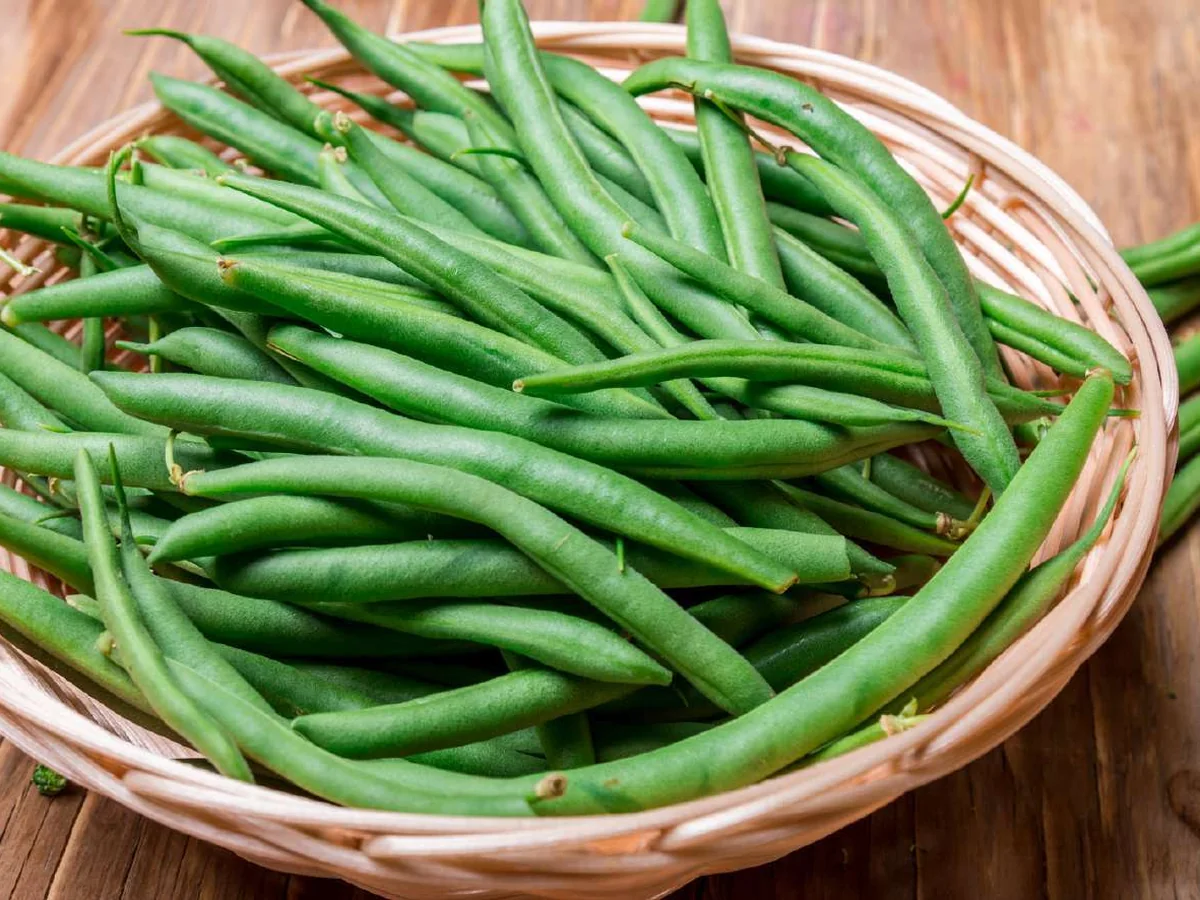
Overview
The technical specification that separates a good supplier from an average one is blanching control. Peroxidase negative is the standard to ask for, because it is what preserves colour and texture through a long frozen shelf life.
Grades, cuts, and formats
These are the formats commonly traded from Egypt. They serve different applications rather than representing quality tiers, so the format should follow the finished product, not the price.
Whole, length 8-12cm, caliber 6-9mm
Premium presentation format. Specified for retail packs and foodservice where the bean is plated whole. The caliber band matters as much as the length — a consistent 6-9mm is what makes a pack look uniform.
Cut, length 2-4cm
The volume format. Used in mixed vegetable blends, ready meals, and catering where the bean is a component rather than the centrepiece.
French cut
Sliced longitudinally. A distinct presentation used in retail and foodservice where a finer texture is wanted.
Market context
Declared Egyptian export volumes, world ranking and destination markets for this category are set out in the Egyptian Frozen & IQF Export Report 2026 — published 2026-08-25, sourced to UN Comtrade via World Bank WITS, with the query for every figure.
What the destination requires of the consignment is a separate question from what the product is, and it decides more shipments: EU import requirements · US import requirements · GCC import requirements. Each guide names the instrument behind every requirement and links to its text.
Technical specifications
| Sizing Options | Whole: Length 8-12cm, Caliber 6-9mm. Cut: Length 2-4cm. French Cut: Sliced longitudinally. |
|---|---|
| Blanching Index | Peroxidase negative (supports enzyme inactivation, color, and texture stability) |
| Storage Temperature | -18°C or colder |
| Microbiology Limits | Total Plate Count < 100,000 cfu/g, E. Coli < 10 cfu/g, Salmonella: Absent/25g |
| Packing Configurations | 1×10kg carton bulk, 10×1.0kg retail bags, or custom private label |
| Defect Tolerances | Stalks/stems < 1% by weight, color variation < 3% by weight |
| Packing options | 1×10kg bulk; 10×1.0kg retail; Private label |
| Harvest season | Oct–May (peak Nov, Dec, Jan, Feb, Mar) — see the full calendar |
| Container fit (40ft HC reefer) | 10kg cartons, 110 cartons per pallet, 20 pallets per container |
Sourcing notes for buyers
- Blanching index should be peroxidase negative. This confirms enzyme inactivation and is what supports colour and texture stability through the frozen shelf life.
- Defect tolerances: stalks and stems under 1% by weight, colour variation under 3% by weight. These are worth specifying because they are the two most visible defects in a retail pack.
- Harvest runs October through May with peak from November to March, which is a long window and makes green beans one of the easier Egyptian products to build a year-round program around.
- Microbiological limits: total plate count under 100,000 cfu/g, E. coli under 10 cfu/g, Salmonella absent in 25g.
- Container fit is 110 cartons per pallet at 10kg, 20 pallets per container, which is slightly denser than most IQF fruit and worth factoring into landed cost calculations.
Frequently asked questions
What is the difference between cut and French cut green beans?
Cut green beans are cross-cut into 2-4cm lengths. French cut beans are sliced longitudinally, producing a finer texture and a different presentation. They serve different applications and are priced and specified separately.
What caliber should buyers specify for whole IQF green beans?
Length 8-12cm with a caliber of 6-9mm is the standard whole-bean specification. Consistency in the caliber band is what determines how uniform a finished retail pack looks.
When is the Egyptian green bean season?
October through May, with peak volume from November through March. The long window makes green beans one of the more practical Egyptian IQF products for a continuous program.
What does peroxidase negative mean for frozen green beans?
It confirms that blanching successfully inactivated the enzymes that would otherwise degrade colour, texture, and flavour during frozen storage. It is the standard blanching verification to require in a specification.
Share the grade or cut, volume, packing format, destination, Incoterm, required documents, and target shipment window for structured partner-route review.
Submit RFQ/RFP