

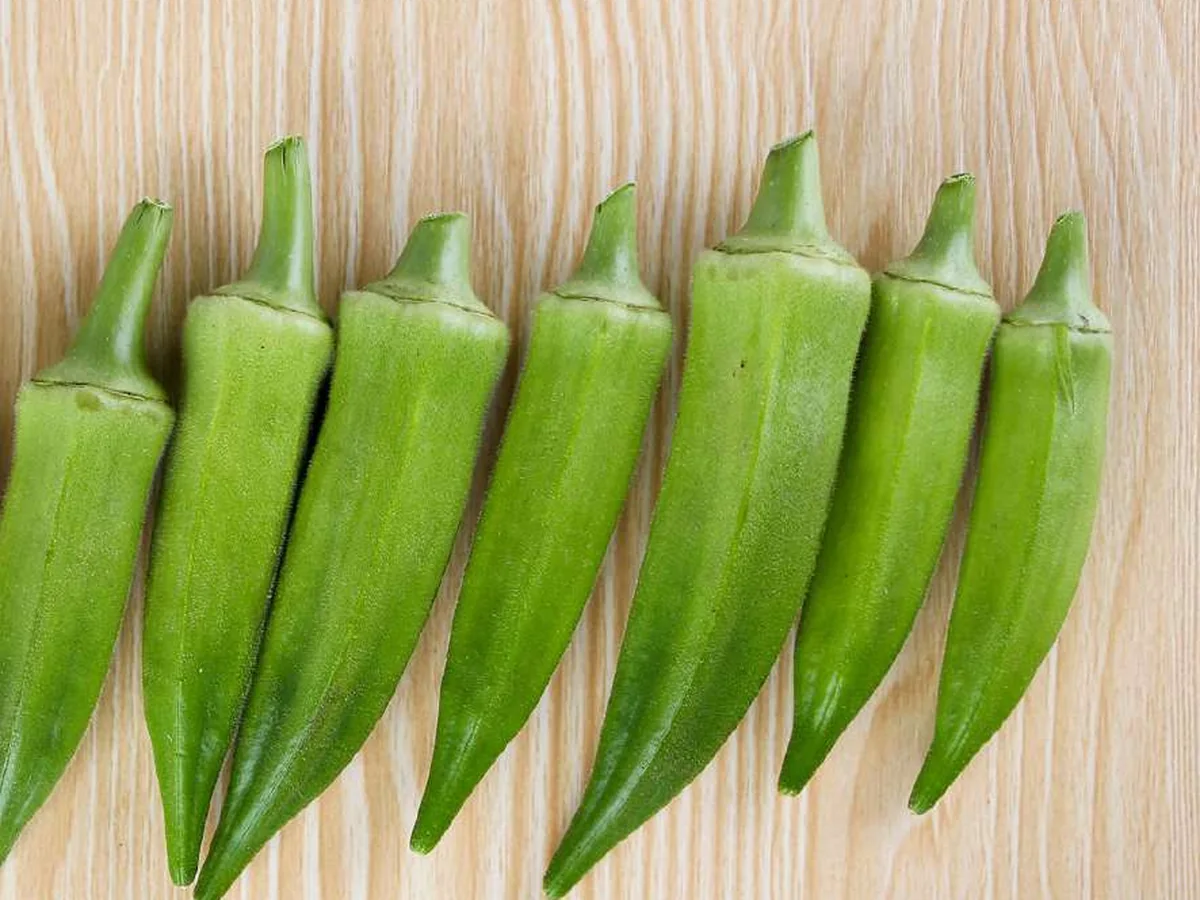
Overview
The grade names are size bands, not quality tiers. None of them is better than another — they serve different dishes and different markets. Getting the band right is the single most important decision in an okra RFQ, because the wrong band produces a shipment that passes every quality check and is still commercially unusable.
Grades, cuts, and formats
These are the formats commonly traded from Egypt. They serve different applications rather than representing quality tiers, so the format should follow the finished product, not the price.
Extra — roughly 0 to 2.5cm (smallest)
The smallest and most tender band, harvested young before fibre develops through the pod wall. Despite the name suggesting a premium upgrade, Extra refers to extra-small. Strongest demand in Gulf markets where small whole okra is traditional in bamia and similar stews.
Zero — roughly 2.5 to 3.5cm
The second band and one of the most widely traded. Balances tenderness against yield. Note that Zero is not the smallest grade despite the name — Extra sits below it.
Fine or Momtazah — roughly 3.5 to 4.5cm
The mid-large band. Producers differ on the name: Frost Egypt lists this as Fine, Domic Foods as Momtazah (Arabic for excellent). Used where okra is a stew or soup component and pod size is less visually prominent.
One — roughly 4.5 to 5.5cm
A large band with high yield per hectare and more fibre. Suited to dishes where okra is cooked down rather than served as a whole tender pod.
Cut — 1 to 2cm rings
Not a size grade at all. Pods are cross-cut into rings, which changes both the cooking behaviour and the sourcing logic. A separate product from every whole-pod band.
Grade and cut pages
Each grade below has its own page covering what it is used for, how it differs from the adjacent grades, and what to write into an RFQ.
IQF Okra Extra Grade
Pod length roughly 0 to 2.5cm — the smallest band
IQF Okra Zero Grade
Pod length roughly 2.5 to 3.5cm
IQF Okra Fine / Momtazah Grade
Pod length roughly 3.5 to 4.5cm
IQF Okra One Grade
Pod length roughly 4.5 to 5.5cm — the largest common band
IQF Okra Cut
Cross-cut rings, 1 to 2cm
Market context
Declared Egyptian export volumes, world ranking and destination markets for this category are set out in the Egyptian Frozen & IQF Export Report 2026 — published 2026-08-25, sourced to UN Comtrade via World Bank WITS, with the query for every figure.
What the destination requires of the consignment is a separate question from what the product is, and it decides more shipments: EU import requirements · US import requirements · GCC import requirements. Each guide names the instrument behind every requirement and links to its text.
Technical specifications
| Sizing Options | Extra (0-2.5cm), Zero (2.5-3.5cm), Fine/Momtazah (3.5-4.5cm), One (4.5-5.5cm), Cut (1-2cm rings). Band boundaries vary by producer — confirm against the partner spec sheet. |
|---|---|
| Storage Temperature | -18°C or colder |
| Microbiology Limits | Total Plate Count < 150,000 cfu/g, E. Coli < 10 cfu/g, Salmonella: Absent/25g |
| Packing Configurations | 1×10kg carton bulk, 20×400g retail bags, or buyer specifications |
| Defect Tolerances | Fibrous pods < 2% by weight, blemished pods < 1% by weight |
| Packing options | 1×10kg bulk; 20×400g retail; Buyer specifications |
| Harvest season | May–Nov (peak Jun, Jul, Aug, Sep) — see the full calendar |
| Container fit (40ft HC reefer) | 10kg cartons, 100 cartons per pallet, 20 pallets per container |
Sourcing notes for buyers
- Extra is the smallest band, not the largest. This is the single most common misreading in Egyptian okra sourcing, and it is worth confirming explicitly in writing with any new supplier.
- Never specify a grade by name alone. State the pod length band in centimetres as well, because the boundaries shift between producers even when the ordering does not.
- Band boundaries genuinely vary. Frost Egypt lists Extra as 0.5-2.5cm; Domic Foods lists it as 0-2.5cm. Some producers add Melouki above 5.5cm; others stop at One. Always confirm against the specific partner spec sheet rather than a generic table.
- Defect tolerances: fibrous pods under 2% by weight, blemished pods under 1% by weight. Fibre correlates with pod maturity, so tighten the tolerance when specifying the larger bands.
- Harvest runs May through November with peak from June to September — the inverse of most Egyptian IQF vegetables, which peak in winter. This makes okra useful for balancing a year-round sourcing calendar.
- Microbiological limits: total plate count under 150,000 cfu/g, E. coli under 10 cfu/g, Salmonella absent in 25g.
Frequently asked questions
Is Okra Extra the largest or the smallest grade?
The smallest. In Egyptian trade convention Extra means extra-small, covering roughly 0 to 2.5cm. This catches buyers out regularly, because the name suggests a premium large grade. The order from smallest to largest is Extra, Zero, Fine or Momtazah, then One.
What do the Egyptian okra grades Extra, Zero, Fine, and One mean?
They are pod-length bands, not quality tiers. Extra is roughly 0-2.5cm, Zero 2.5-3.5cm, Fine or Momtazah 3.5-4.5cm, and One 4.5-5.5cm. Some producers add Melouki above 5.5cm. Cut is a separate product — cross-cut rings of 1-2cm rather than whole pods.
Why do different Egyptian suppliers quote different sizes for the same okra grade?
Because the naming is conventional rather than standardised. The ordering is consistent across producers — Extra is always smallest — but the exact centimetre boundaries shift. Frost Egypt lists Extra as 0.5-2.5cm while Domic Foods lists 0-2.5cm, and the name for the 3.5-4.5cm band is Fine at one and Momtazah at the other. Always specify the band in centimetres alongside the grade name.
When is the Egyptian okra season?
May through November, with peak volume from June through September. This is the inverse of most Egyptian IQF vegetables, which peak in winter, so okra is useful for balancing a year-round sourcing calendar.
Share the grade or cut, volume, packing format, destination, Incoterm, required documents, and target shipment window for structured partner-route review.
Submit RFQ/RFP