

Overview
That makes defect tolerances the specification that matters, more than sizing or Brix. A supplier who cannot state membrane fragment and damaged seed percentages in writing is not a serious partner for this product.
Grades, cuts, and formats
These are the formats commonly traded from Egypt. They serve different applications rather than representing quality tiers, so the format should follow the finished product, not the price.
Whole arils, natural size
Arils are not calibrated to a size band the way whole fruit is. The grade is defined by separation quality and defect tolerance rather than by dimension.
Wonderful variety
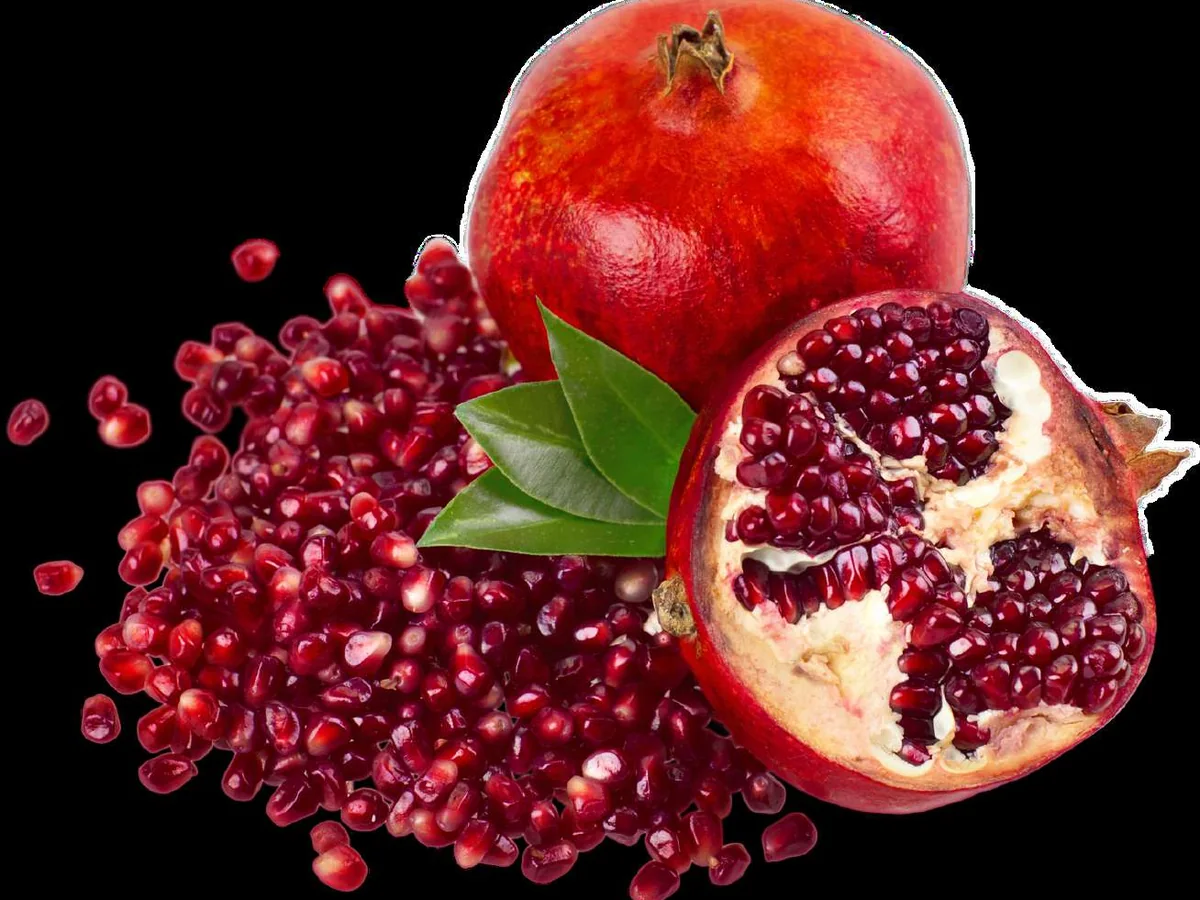
Deep red seeds with a sweet-tart profile. This is the variety commonly grown in Egypt for freezing, and its colour is the main reason buyers specify it for visible applications.
Market context
Declared Egyptian export volumes, world ranking and destination markets for this category are set out in the Egyptian Frozen & IQF Export Report 2026 — published 2026-08-25, sourced to UN Comtrade via World Bank WITS, with the query for every figure.
What the destination requires of the consignment is a separate question from what the product is, and it decides more shipments: EU import requirements · US import requirements · GCC import requirements. Each guide names the instrument behind every requirement and links to its text.
Technical specifications
| Sizing Options | Natural aril size (unbroken seeds, clean separation) |
|---|---|
| Crop Variety | Premium Wonderful variety (deep red seeds, sweet-tart profile) |
| Storage Temperature | -18°C or colder |
| Microbiology Limits | E. Coli < 10 cfu/g, Salmonella: Absent in 25g, Listeria: Absent in 25g |
| Packing Configurations | 1×10kg carton bulk, 4×2.5kg polybags, or customized specifications |
| Defect Tolerances | Membrane fragments < 0.1% by weight, damaged seeds < 1% by weight |
| Packing options | 1×10kg bulk; 4×2.5kg polybags; Custom specifications |
| Harvest season | Sep–Jan (peak Oct, Nov, Dec) — see the full calendar |
| Container fit (40ft HC reefer) | 10kg cartons, 100 cartons per pallet, 20 pallets per container |
Sourcing notes for buyers
- Defect tolerances are the core specification: membrane fragments under 0.1% by weight, damaged seeds under 1% by weight. Get these in the contract, and agree the sampling method used to verify them.
- Harvest runs September through January with peak in October, November, and December.
- Microbiological limits: E. coli under 10 cfu/g, Salmonella absent in 25g, Listeria absent in 25g.
- Colour is a commercial attribute for this product. If the arils are visible in the finished application, agree a colour reference at sample stage rather than describing it in words.
- Storage at -18C or colder throughout. Arils are physically fragile, so handling and pallet stability through transit affect the condition on arrival as much as temperature does.
Frequently asked questions
What defect tolerances apply to IQF pomegranate arils?
Membrane fragments under 0.1% by weight and damaged seeds under 1% by weight. These are the specifications that define quality for this product, since arils are not graded by size.
Which pomegranate variety does Egypt process for IQF?
The Wonderful variety, which has deep red seeds and a sweet-tart profile. Colour is a primary reason buyers specify it for applications where the arils are visible.
When is the Egyptian pomegranate season?
September through January, with peak volume in October, November, and December.
Share the grade or cut, volume, packing format, destination, Incoterm, required documents, and target shipment window for structured partner-route review.
Submit RFQ/RFP