

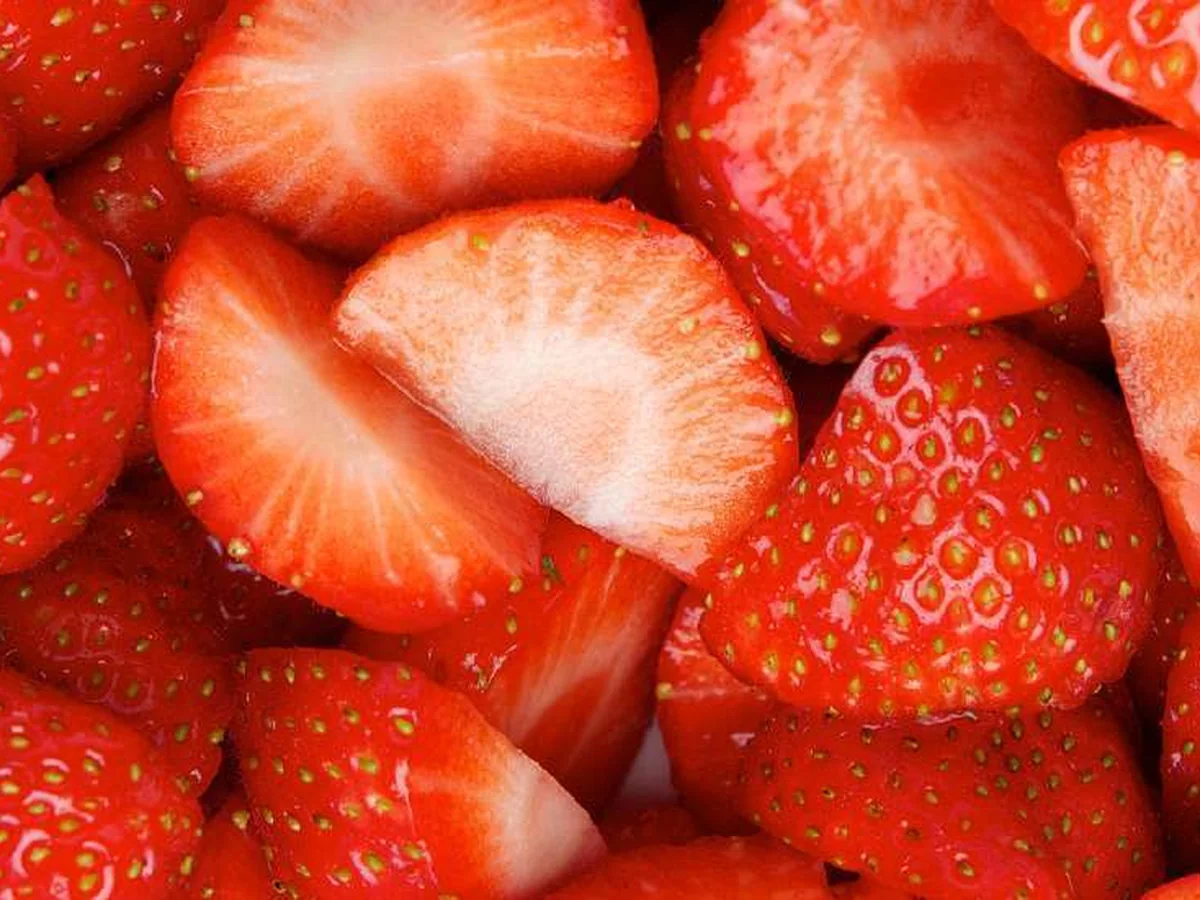
Overview
It is bought by manufacturers rather than by retail packers — beverage producers, dairy processors, and fruit preparation companies who will formulate with it rather than present it.
Where this grade is used
- Beverage manufacturing — juices, smoothie bases, and flavoured drinks
- Dairy processing — yogurt bases, flavoured milk, and dessert preparations
- Fruit preparation and jam manufacturing
- Ice cream and sorbet bases
What to specify in an RFQ
- Specify Brix as a target with a tolerance, not as a minimum alone. Formulators need a predictable value, not a floor.
- Specify acidity or pH. This is as important as Brix for formulation and is frequently left out of RFQs entirely.
- State whether seeded or seedless is required. Seed removal is an additional processing step and materially changes the product and its cost base.
- Confirm single-strength versus concentrated, and if concentrated, the concentration ratio.
- Ask about the packing format specifically — puree is typically packed in aseptic bags or drums rather than the carton formats used for cut fruit, and this affects both handling and storage requirements at the destination.
How this compares to the other grades
Shared IQF Strawberry specifications
These apply across all grades and cuts of IQF Strawberry. Grade-specific requirements sit on top of them.
| Sizing Options | Whole: 15-22mm, 22-26mm, 26-35mm. Diced: 10×10mm. Sliced: 6-8mm thickness. |
|---|---|
| Storage Temperature | -18°C or colder throughout transit and storage |
| Microbiology Limits | E. Coli < 10 cfu/g, Salmonella: Absent in 25g, Listeria: Absent in 25g |
| Brix Levels | Min 7.0 to 9.0 depending on crop variety (Festival, Senga, Fortuna) |
| Packing Configurations | 1×10kg carton bulk, 4×2.5kg polybags per carton, or customized packaging |
| Pesticide Control | Reviewed against EU Maximum Residue Limits (MRL) / FDA requirements |
| Packing options | 1×10kg bulk; 4×2.5kg polybags; 20×400g retail; Private label |
| Harvest season | Nov–Mar (peak Dec, Jan, Feb) — see the full calendar |
Frequently asked questions
How is frozen strawberry puree specified?
By Brix, acidity or pH, seed content, and whether it is single-strength or concentrated — not by dimension. The caliber bands and cut sizes used for whole, diced, and sliced fruit have no equivalent here.
What is most often left out of a strawberry puree RFQ?
Acidity or pH. It matters as much as Brix for formulation but is frequently omitted, which leads to product that meets the stated specification and still does not work in the buyer's recipe.
Is strawberry puree packed the same way as IQF fruit?
Generally no. Puree is typically packed in aseptic bags or drums rather than the 10kg cartons and polybag configurations used for cut fruit, which affects handling and storage at the destination.
Other IQF Strawberry grades and cuts
Include the grade band, volume, packing format, destination, Incoterm, required documents, and target shipment window for structured partner-route review.
Submit RFQ/RFP