

Overview
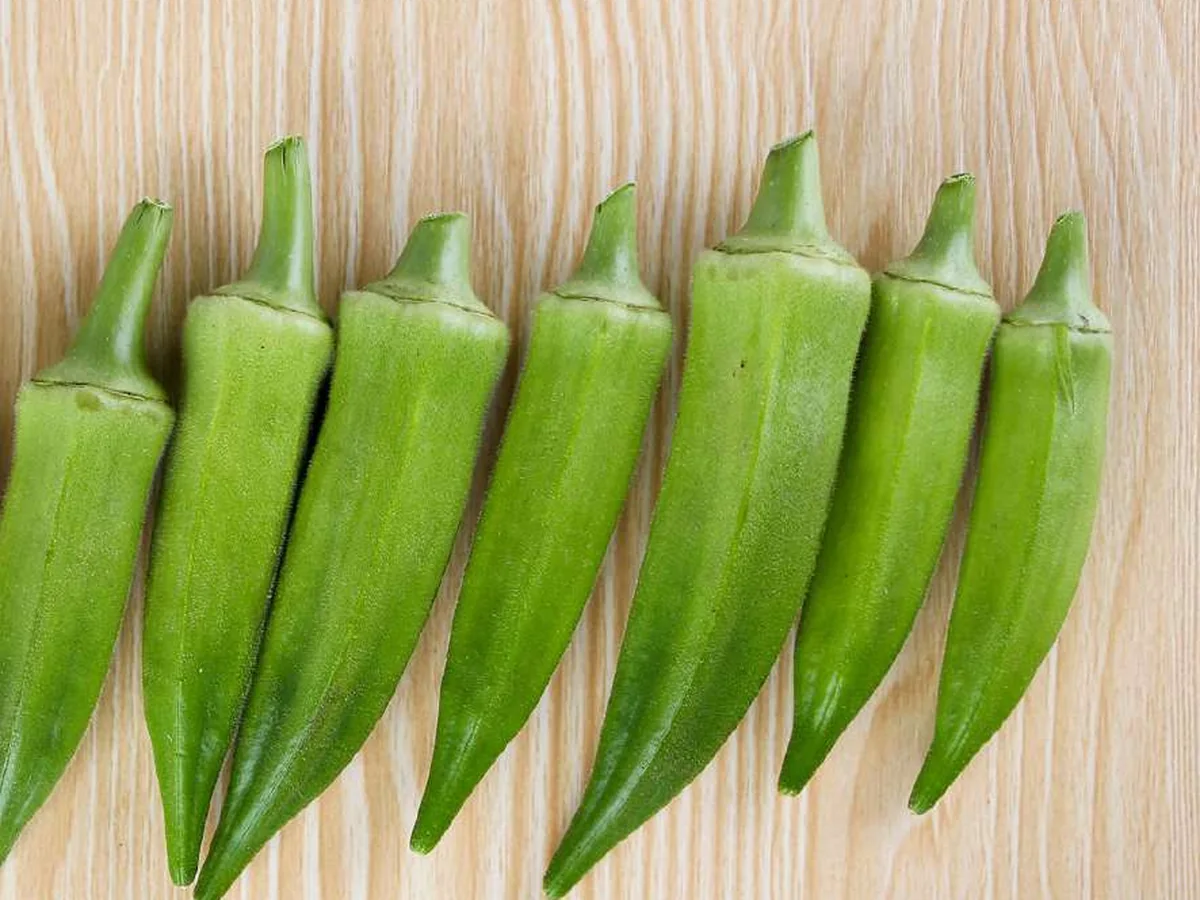
The pods are harvested young, before fibre develops through the pod wall, which is what makes them tender enough to serve whole. That early picking means lower yield per hectare and tighter availability than the larger bands.
Where this grade is used
- Gulf retail and foodservice, where small whole okra is the expected format for traditional stews such as bamia
- Diaspora retail in Europe and North America serving Middle Eastern and North African cooking
- Premium frozen vegetable packs where the pod is visible through the packaging
What to specify in an RFQ
- Write the band in centimetres, not just the grade name. Extra alone is ambiguous enough that a new supplier may read it as a quality tier rather than a size.
- Confirm the lower boundary with the specific producer. Frost Egypt lists Extra as 0.5-2.5cm and Domic Foods as 0-2.5cm — a small difference that matters at this size.
- Tighten the fibrous pod tolerance below the 2% general okra standard. Extra should carry very little fibre by definition, so accepting the standard tolerance defeats the point of buying the smallest band.
- Specify whole pod integrity and the acceptable percentage of broken or split pods — small pods are more fragile through handling.
- Agree what happens if Extra is short. Substitution with Zero is the most common issue, and it is far easier to settle before the season than during it.
How this compares to the other grades
Shared IQF Okra specifications
These apply across all grades and cuts of IQF Okra. Grade-specific requirements sit on top of them.
| Sizing Options | Extra (0-2.5cm), Zero (2.5-3.5cm), Fine/Momtazah (3.5-4.5cm), One (4.5-5.5cm), Cut (1-2cm rings). Band boundaries vary by producer — confirm against the partner spec sheet. |
|---|---|
| Storage Temperature | -18°C or colder |
| Microbiology Limits | Total Plate Count < 150,000 cfu/g, E. Coli < 10 cfu/g, Salmonella: Absent/25g |
| Packing Configurations | 1×10kg carton bulk, 20×400g retail bags, or buyer specifications |
| Defect Tolerances | Fibrous pods < 2% by weight, blemished pods < 1% by weight |
| Packing options | 1×10kg bulk; 20×400g retail; Buyer specifications |
| Harvest season | May–Nov (peak Jun, Jul, Aug, Sep) — see the full calendar |
Frequently asked questions
Is Okra Extra the largest or smallest grade?
The smallest. In Egyptian trade convention Extra means extra-small, roughly 0 to 2.5cm. The name misleads buyers regularly because it suggests a premium large grade. The order from smallest to largest is Extra, Zero, Fine or Momtazah, then One.
What size is Egyptian IQF Okra Extra grade?
Roughly 0 to 2.5cm in pod length. Producers differ slightly on the lower boundary — Frost Egypt lists 0.5-2.5cm and Domic Foods 0-2.5cm — so confirm against the specific partner spec sheet.
Which markets buy Okra Extra grade?
Demand is strongest in Gulf markets, where small whole okra is traditional in stews such as bamia and pod size is visible on the plate. Diaspora retail in Europe and North America is the other significant channel.
What is the main sourcing risk with Extra grade okra?
Two risks. First, misreading the name and ordering the wrong size entirely. Second, substitution with Zero grade when Extra is short — the bands are adjacent, so a shipment can be technically close but commercially wrong. Agree the substitution policy in writing before the season.
Other IQF Okra grades and cuts
Include the grade band, volume, packing format, destination, Incoterm, required documents, and target shipment window for structured partner-route review.
Submit RFQ/RFP