

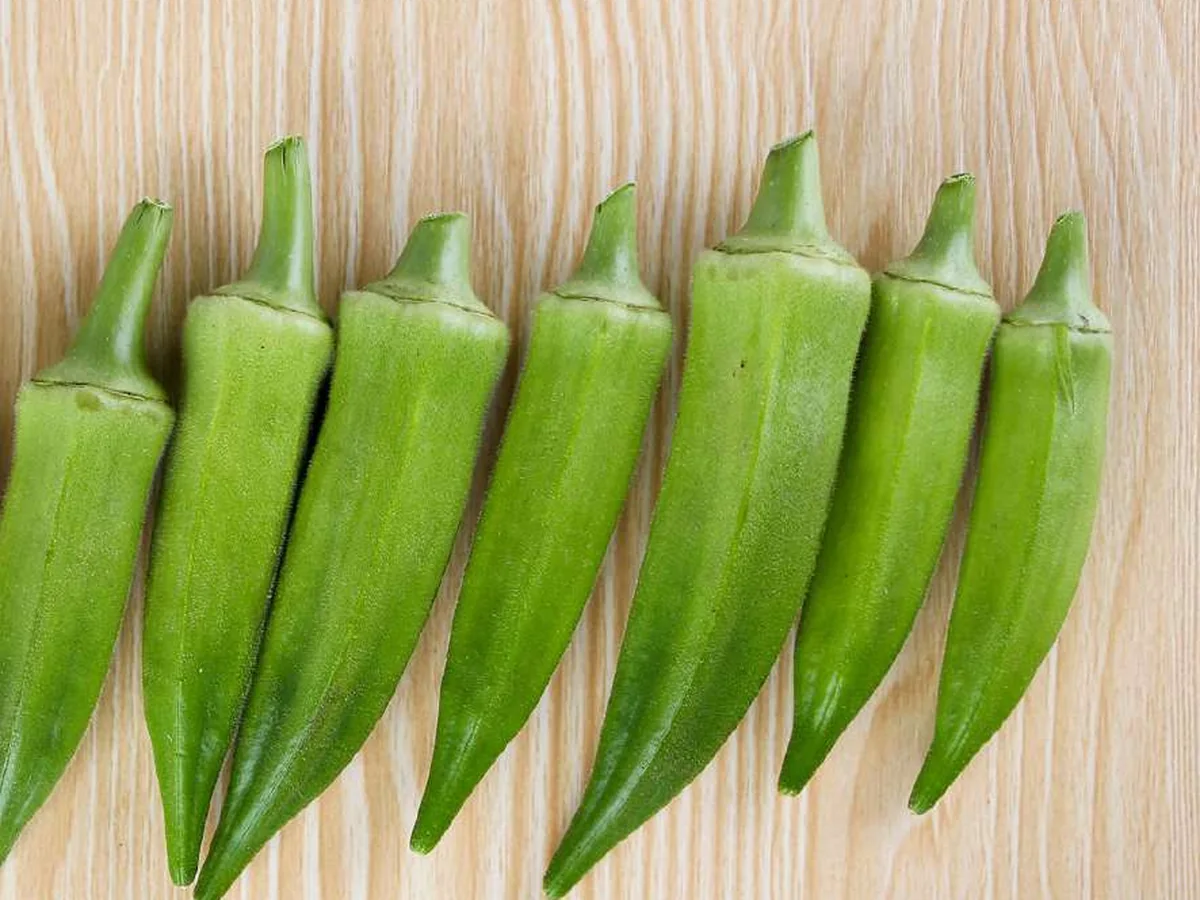
Overview
It is one of the most widely traded bands, balancing tenderness against yield well enough to serve both Gulf whole-pod dishes and general retail frozen vegetable packs.
Where this grade is used
- Gulf retail and foodservice where a slightly larger whole pod is acceptable
- General retail frozen vegetable packs across EU, GCC, UK, and North American markets
- Private label programs needing consistent availability rather than the tightest band
What to specify in an RFQ
- State the band as 2.5-3.5cm in centimetres. Do not rely on the grade name alone — buyers and suppliers both misread the Extra and Zero relationship regularly.
- Standard defect tolerances apply: fibrous pods under 2% by weight, blemished pods under 1% by weight.
- Zero has wider availability than Extra, which makes it a more practical basis for a recurring program than the smallest band.
- If the dish would tolerate a larger pod, ask for Fine or Momtazah (3.5-4.5cm) to be quoted alongside — better yield and easier availability for the same application.
How this compares to the other grades
Shared IQF Okra specifications
These apply across all grades and cuts of IQF Okra. Grade-specific requirements sit on top of them.
| Sizing Options | Extra (0-2.5cm), Zero (2.5-3.5cm), Fine/Momtazah (3.5-4.5cm), One (4.5-5.5cm), Cut (1-2cm rings). Band boundaries vary by producer — confirm against the partner spec sheet. |
|---|---|
| Storage Temperature | -18°C or colder |
| Microbiology Limits | Total Plate Count < 150,000 cfu/g, E. Coli < 10 cfu/g, Salmonella: Absent/25g |
| Packing Configurations | 1×10kg carton bulk, 20×400g retail bags, or buyer specifications |
| Defect Tolerances | Fibrous pods < 2% by weight, blemished pods < 1% by weight |
| Packing options | 1×10kg bulk; 20×400g retail; Buyer specifications |
| Harvest season | May–Nov (peak Jun, Jul, Aug, Sep) — see the full calendar |
Frequently asked questions
What size is Okra Zero grade?
Roughly 2.5 to 3.5cm in pod length. It is the second band in the Egyptian grade ladder, not the smallest — Extra covers 0 to 2.5cm below it.
Is Zero the smallest Egyptian okra grade?
No. Extra is smaller, at roughly 0 to 2.5cm. The naming is counter-intuitive and is the most common source of specification error in Egyptian okra sourcing.
Should I buy Zero or Fine grade okra?
If the pod is visible and its tenderness matters to the dish, Zero. If okra is a component in a stew or soup where pod size is not the focus, Fine or Momtazah at 3.5-4.5cm generally offers better yield and availability. Asking for both to be quoted is usually worthwhile.
Other IQF Okra grades and cuts
Include the grade band, volume, packing format, destination, Incoterm, required documents, and target shipment window for structured partner-route review.
Submit RFQ/RFP