

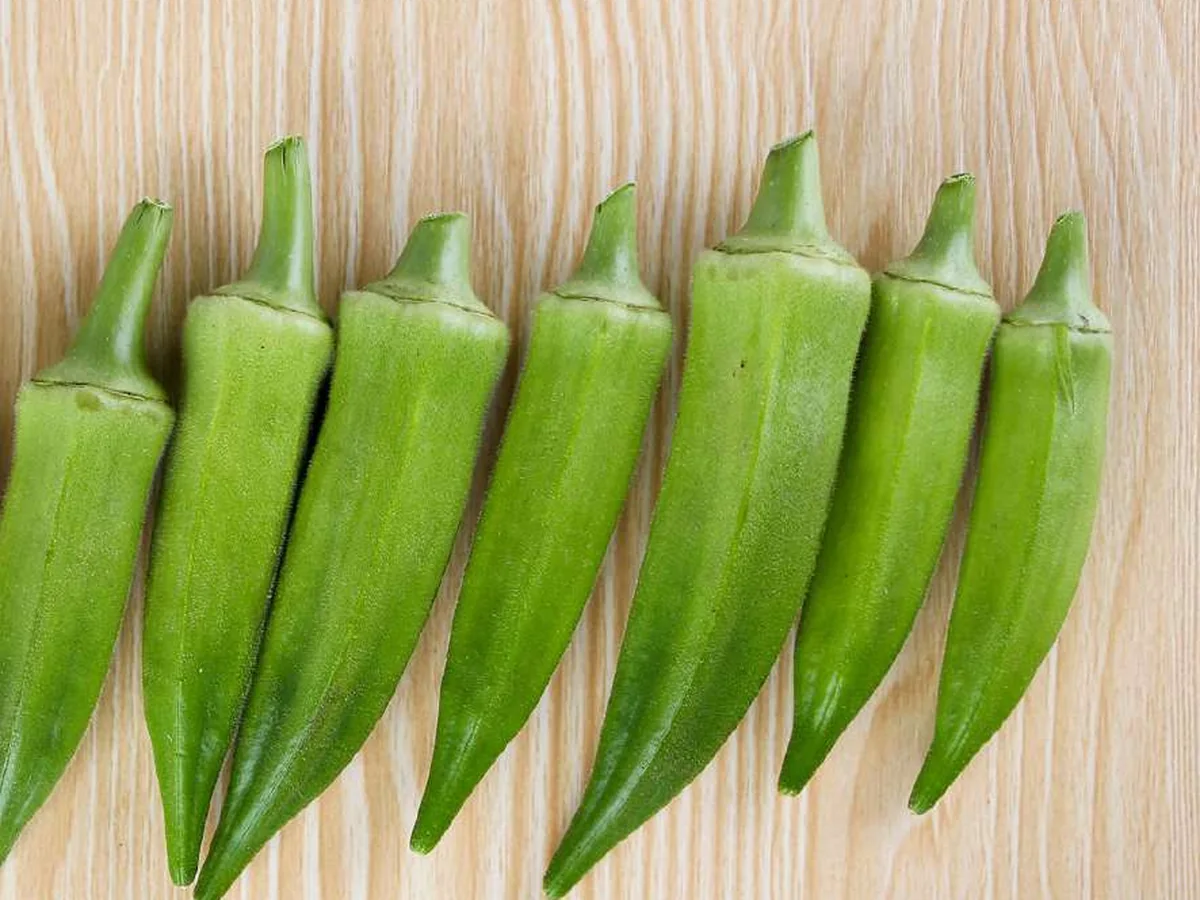
Overview
That divergence matters commercially. A buyer who specifies Fine to a producer using the Momtazah convention may get a confused quote or the wrong band, which is why this grade in particular should always be written in centimetres.
Where this grade is used
- Stews, soups, and prepared dishes where okra is a component and pod size is not visually prominent
- Foodservice and catering volumes where yield economics matter more than presentation
- Industrial and prepared-food manufacturing using whole pods
What to specify in an RFQ
- Always write 3.5-4.5cm alongside the grade name on this band. Fine and Momtazah refer to the same range at different producers, and neither name is universal.
- Tighten the fibrous pod tolerance below the 2% general standard. Fibre correlates with pod maturity, so the standard tolerance permits more fibrous material here than on the smaller bands.
- Ask for a sample from this specific band rather than a generic okra sample. Fibre content is what a sample actually reveals, and it is the attribute most likely to cause a complaint later.
- Availability is wider than the smaller bands, especially outside the June to September peak.
How this compares to the other grades
Shared IQF Okra specifications
These apply across all grades and cuts of IQF Okra. Grade-specific requirements sit on top of them.
| Sizing Options | Extra (0-2.5cm), Zero (2.5-3.5cm), Fine/Momtazah (3.5-4.5cm), One (4.5-5.5cm), Cut (1-2cm rings). Band boundaries vary by producer — confirm against the partner spec sheet. |
|---|---|
| Storage Temperature | -18°C or colder |
| Microbiology Limits | Total Plate Count < 150,000 cfu/g, E. Coli < 10 cfu/g, Salmonella: Absent/25g |
| Packing Configurations | 1×10kg carton bulk, 20×400g retail bags, or buyer specifications |
| Defect Tolerances | Fibrous pods < 2% by weight, blemished pods < 1% by weight |
| Packing options | 1×10kg bulk; 20×400g retail; Buyer specifications |
| Harvest season | May–Nov (peak Jun, Jul, Aug, Sep) — see the full calendar |
Frequently asked questions
What is the difference between Okra Fine and Okra Momtazah?
They are the same size band, roughly 3.5 to 4.5cm, under two different producer conventions. Frost Egypt lists it as Fine; Domic Foods lists it as Momtazah, Arabic for excellent. Because neither name is universal, specify the band in centimetres.
What size is Okra Fine grade?
Roughly 3.5 to 4.5cm. It sits above Zero (2.5-3.5cm) and below One (4.5-5.5cm) in the Egyptian grade ladder.
Is Fine grade okra more fibrous than the smaller grades?
Yes. Okra develops fibre through the pod wall as it matures, so larger pods carry more. This is why the fibrous pod tolerance is worth tightening below the 2% general standard, and why a band-specific sample matters more here than on Extra or Zero.
Other IQF Okra grades and cuts
Include the grade band, volume, packing format, destination, Incoterm, required documents, and target shipment window for structured partner-route review.
Submit RFQ/RFP